
Iconic Fashion Brands in Modern Art
Logos and motifs from fashion houses appear as recurring themes throughout modern art, turning familiar symbols into statements on status, aspiration, and identity. These emblems fill gallery walls as often as they light up the main screen during a bonus round in a virtual slot game. Artists and designers both chase spectacle, and the result is a collision of colour and branding that shapes gallery trends and digital pastimes. Paintings that use designer marks often fetch higher prices–sometimes double–when those brands are in high demand. The mood this creates, a blend of luxury and playful risk, carries over into evenings spent among spinning reels, where a flash of gold or a pattern from a designer scarf can transform a game into an event. When creative minds seek a break, they often drift toward these online spaces, drawn by the same search for striking visuals and sensory escape that first led them to the art studio or the runway. A few core dynamics set the tone for both scenes:
- Designer collaborations – artist and label partnerships produce collectible runs or headline exhibitions.
- Brand saturation – logos and signature prints dominate canvases and game screens, shaping taste and expectation.
- Visual storytelling – each new work or interactive feature offers a fresh narrative, often referencing pop culture or past icons.
- The pursuit of atmosphere – both fields use light, sound, and pattern to heighten immersion and anticipation.
Collecting art or exploring themed games becomes a way to inhabit worlds where style and sensation drive the experience. Recognisable symbols and visual cues anchor both pursuits, turning leisure into a celebration of identity and taste.
A strong connection to style and sensation often leads people to seek out new ways to inhabit worlds that reflect their individuality. As a result, their leisure evolves to include experiences like online casino, where personal taste and curiosity shape every choice. Many discover slots 7 as a chance to explore unusual mechanics and visual storytelling. This drive to find ever more engaging pastimes ensures the adventure never stands still.
How do fashion brands shape modern art
Brand collaborations with contemporary artists turn well known logos and patterns into new visual statements, shifting gallery spaces and public murals into forums for cultural commentary. This influence stretches beyond the museum, reshaping the visual codes that define digital platforms and luxury experiences alike.
A Louis Vuitton trunk transformed by Yayoi Kusama’s polka dots, or the Chanel logo reimagined in street art, signals how motifs migrate between fashion and art. In online casinos, familiar themes and vibrant palettes borrowed from runway collections or art installations create immersive slot interfaces and live dealer backdrops that echo gallery installations.
Rich visuals and global trends set by fashion brands can inspire a mood for leisure after a day spent on creative pursuits. For many, this leads to time spent exploring online casino games, where the interplay of color, sound, and design delivers a sensory experience shaped by the same creative energy seen in modern art.
Why do artists choose certain brands
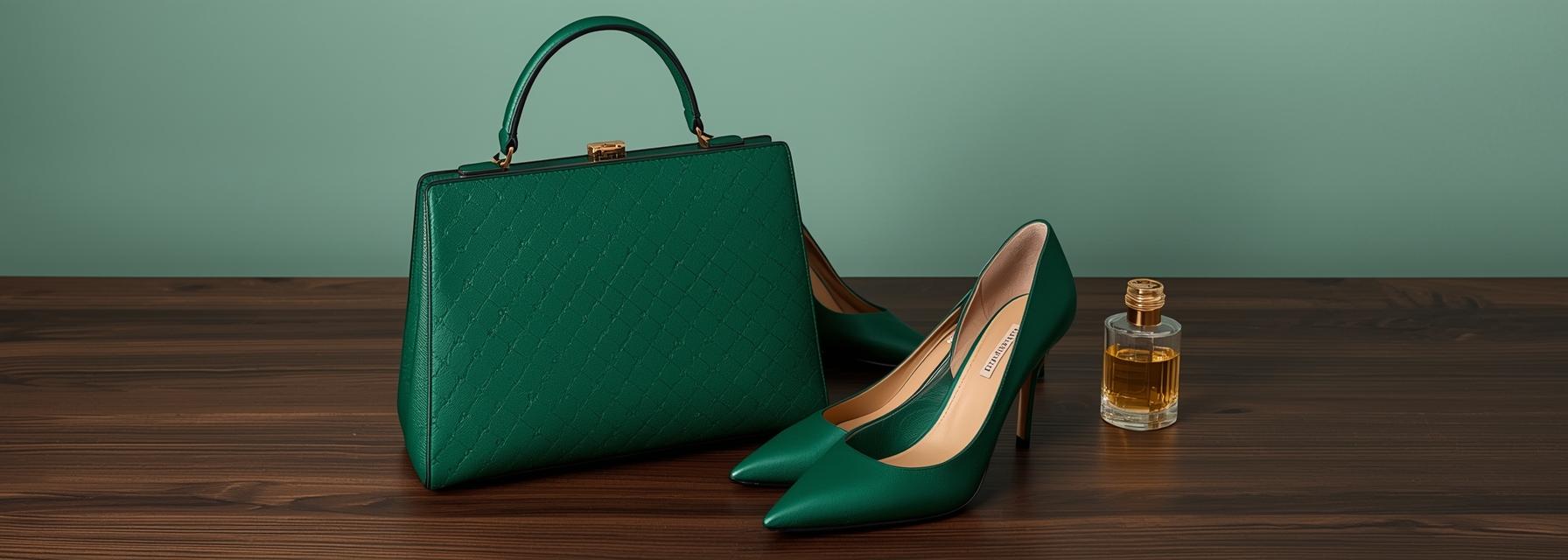
Artists gravitate toward luxury labels such as Chanel or Louis Vuitton for their potent visual codes and the histories wrapped up in every logo or textile print. These brands promise instant recognition, cultural commentary, and a direct channel to themes of status and aspiration. Meanwhile, the same audiences lured by iconic logos also find sensory appeal in online casino visuals, where spinning reels, rich color palettes, and bold jackpots offer an immersive escape after an afternoon spent with cutting-edge art.
Symbolism and cultural resonance
A brand with a strong cultural signal attracts artists because it comes loaded with shared meanings and emotional charge. This kind of resonance transforms an ordinary logo or pattern into a shorthand for identity, aspiration, or resistance. The process unfolds through clear stages:
- A designer label with decades of history starts to embody values–a sense of rebellion, exclusivity, or nostalgia–recognized by different groups.
- Artists select these brands not for their products but for what they represent in a wider conversation, much like a painter might choose a mythic symbol for its layers of interpretation.
- A brand’s logo or motif becomes a visual anchor in an artwork, triggering immediate recognition and debate among viewers.
- This dynamic mirrors the pull of immersive online casino spaces, where familiar visuals and recurring motifs–such as the bright colors of fruit machines or the suspense of a spinning wheel–create both comfort and excitement for those seeking a break from routine.
- In both cases, the initial choice leads to a self-reinforcing cycle: cultural icons in art drive attention, while visual cues in online games keep players engaged and emotionally invested.
Missing the deeper meaning behind a brand or a game motif leaves art feeling flat and time spent online less memorable. The strongest impressions come when artists and designers tap into these shared codes, whether on a canvas or in a themed interactive lobby.
Collaborative opportunities and exposure
A single brand partnership can redefine the boundaries of an artist’s audience. When a major fashion house commissions a visual collaboration, the resulting campaign often travels far beyond gallery walls. This kind of exposure brings creative work into new contexts, including the digital spaces where people spend their leisure time:
- runway partnership – artist’s work reimagined as wearable pieces
- flagship window displays – gallery-style installations reaching street audiences
- limited print campaign – artwork featured across packaging and digital media
- in-store mural – physical artworks that become pilgrimage sites for fans
Missing these opportunities can keep an artist’s work locked in a niche circle. After an eye-catching campaign, many people pivot from visual inspiration to atmospheric digital pursuits, often spending their next free hour exploring neon-lit reels, themed jackpots, or the latest live table visuals on their favourite platforms.
Brand symbolism in art delivers both a sharp critique and an invitation to dream. For many, evenings that begin with gallery visits often end in the vivid glow of online casino games, where the thrill of anticipation replaces critical debate.
What makes these collaborations stand out

A limited run sneaker designed by a major fashion house for a contemporary art exhibit can become a cultural event, not just a product launch. Real-world collaborations like these produce objects and events that collect both artistic prestige and mainstream attention, drawing crowds and headlines. Online casino platforms echo this blend of spectacle and creativity, building environments with striking visuals and curated themes that mirror the immersive appeal of high-profile art and fashion partnerships.
Visual innovation and storytelling
Collaborations between major fashion houses and modern artists often disrupt expectations through bold visual storytelling. These pairings create a charged environment where new aesthetics and narratives emerge, pushing both industries towards experimentation:
- Fashion designers and artists develop a shared visual language that challenges conventional motifs and color schemes.
- Installations and campaigns integrate unexpected materials or digital tools, creating immersive experiences that echo gallery environments.
- Narrative runs deeper as limited collections or pop-up events tell stories through curated objects and multimedia displays.
- Online casino platforms mirror this energy by investing in high-impact visuals–animated reels, themed tables, and vibrant lobbies–to keep audiences engaged.
- Both spheres rely on spectacle and atmosphere, drawing users into memorable experiences that combine anticipation, surprise, and cultural reference.
This approach stands out most when audiences crave more than routine scrolling or passive observation. Sensory cues and narrative depth transform a simple pastime or a fleeting glance into a richer, more memorable encounter.
Cross-industry influence and inspiration
Unexpected partnerships between luxury labels and contemporary artists frequently lead to ripple effects outside their immediate fields. The energy of these alliances can spark trends in online experiences, where color, mood, and spectacle become the draw.
| Year launched | Brand | Artist | Medium used | Cultural impact |
|---|---|---|---|---|
| 2017 | Supreme | Cindy Sherman | Apparel | Triggered a surge in themed capsule drops across youth markets |
| 2021 | Louis Vuitton | Takashi Murakami | Handbags | Reignited interest in playful visuals on high-end accessories |
| 2019 | Dior | KAWS | Tote bags | Shifted designer bags towards street art motifs |
| 2018 | Burberry | Vivienne Westwood | Outerwear | Brought punk aesthetics back to premium fashion |
| 2022 | Gucci | Yayoi Kusama | Ready to wear | Popularized polka dot patterns in digital avatars |
When trends from these artistic collaborations reach platforms offering immersive games, users gravitate toward themes echoing the look and mood they have seen. Branded visuals often appear as motifs in slots, where a memorable pattern or artwork can make one title stand out in a crowded lobby.
Collaborations between fashion icons and artists create one-of-a-kind experiences that linger in both memory and media. The same drive for atmosphere and visual excitement draws many to themed casino lobbies, where design and presentation invite exploration and engagement.



 Facebook
 Twitter
 RSS
 You Tube
